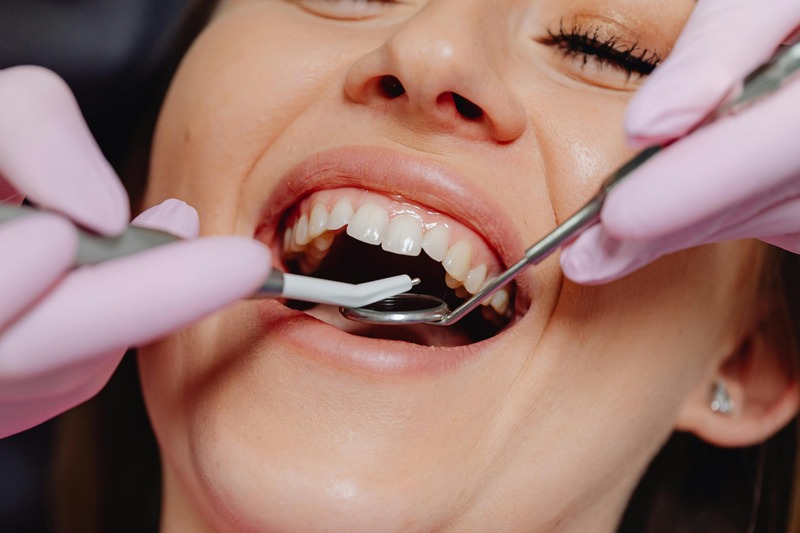
Dental restorations face constant wear and tear from daily activities like chewing and occasional grinding. While advancements in materials have improved restoration durability, minor chips and cracks can still occur, compromising their longevity. Flowable composites offer a flexible and resilient solution, enhancing the strength and stability of restorations. Here’s how these materials work to prevent damage and extend the lifespan of dental work.
What Makes Flowable Composites Effective in Dental Restorations?
Flowable composites are known for their low viscosity, which allows them to flow smoothly into small, hard-to-reach areas. This adaptability makes them particularly effective for creating tight seals in grooves, pits, or cavities, areas prone to minor fractures. By integrating Cosmedent Flowable Composites in restorations, dentists can provide extra support to vulnerable areas, reducing the likelihood of future chips and cracks.
Benefits of Flowable Composites in Restorative Dentistry
- Superior Adaptability and Sealing Properties
Flowable composites can reach the minute crevices of a tooth’s surface, allowing for a tight seal that helps protect against bacteria buildup and future damage. This makes them ideal for long-lasting restorations, even in high-stress areas of the mouth.
- Flexibility to Absorb Daily Stress
Unlike some traditional composites, flowable composites offer a slight elasticity that allows them to absorb the impact of daily activities, like biting and chewing, without cracking. This flexibility is especially useful in areas that naturally experience more pressure.
- Natural Appearance and Aesthetic Benefits
As an important part of modern cosmetic dentistry supplies, flowable composites blend well with the natural tooth, enhancing the overall appearance of the restoration. Their ability to integrate seamlessly with tooth enamel makes them a popular choice for aesthetically driven restorative work.
Practical Tips for Effective Use of Flowable Composites
- Identify High-Stress Zones: Apply flowable composites in areas prone to wear or where small fractures are beginning to form, adding strength without requiring a full restoration.
- Combine with Traditional Composites for Layered Support: Layering flowable composites with traditional materials can enhance durability, particularly when used as a base layer to create a secure foundation.
- Layering for Optimal Results: In larger restorations, using flowable composites in layers can help achieve a precise fit and stronger bond, enhancing both functionality and appearance.
Conclusion: Enhancing Restoration Longevity with Flowable Composites
Flowable composites are a versatile tool in restorative dentistry, helping to prevent chips and cracks while maintaining a natural appearance. Their adaptability, strength, and ease of application make them an excellent choice for reinforcing dental work without compromising aesthetics. For practices looking to provide reliable, resilient restorations, flowable composites are a valuable addition to any restorative toolkit.