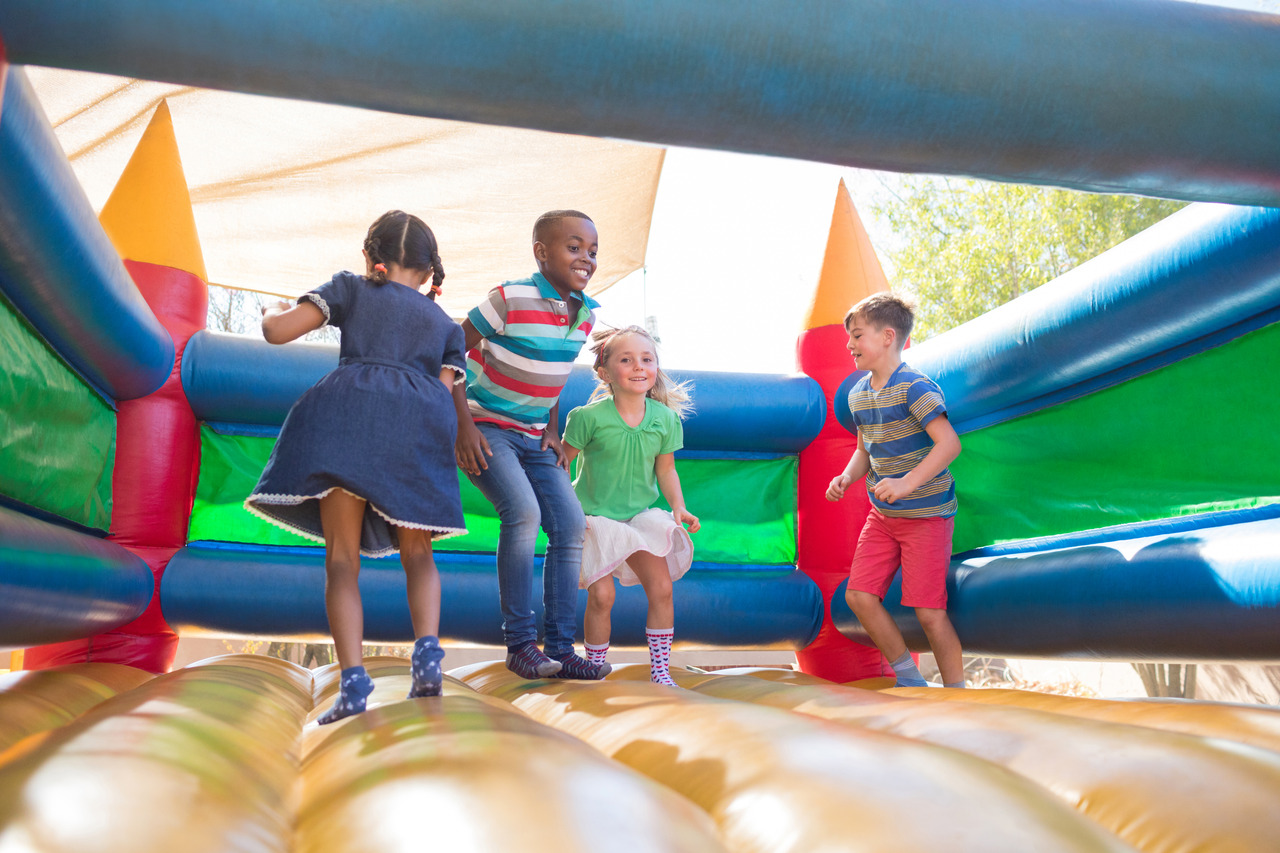
Inflatable bounce houses are a staple at birthday parties, school events, and family gatherings. They provide endless fun for kids (and sometimes even adults), but ensuring safety should always be a top priority. While they may seem like harmless fun, improper use or lack of supervision can lead to accidents. If you’re planning to rent a bounce house for your next event, here’s how to keep the experience safe and enjoyable.
For those looking for bounce house rentals in San Diego, Jumpers SD offers a variety of options to suit any event. Whether you’re looking for a classic castle bounce house or a themed inflatable, choosing a reputable provider is crucial for both fun and safety. You can explore their full range of rentals online.
1. Set Up on a Safe, Even Surface
One of the most important factors in bounce house safety is proper setup. The inflatable should be placed on a flat, level surface, free of rocks, sticks, or any sharp objects that could puncture the material. Grass is the best option, but if you’re setting up on pavement, make sure there’s a thick tarp underneath to protect the base.
Additionally, ensure the bounce house is securely anchored. Most inflatables come with stakes or sandbags to keep them from shifting. If it’s a particularly windy day, it’s best to postpone use or double-check that the anchors are holding up properly.
2. Limit the Number of Jumpers
Overcrowding is one of the most common causes of injuries in bounce houses. While it’s tempting to let all the kids jump in at once, sticking to a reasonable capacity limit is key. Most bounce houses come with a recommended weight or participant limit, which should be followed strictly.
To prevent collisions:
- Separate kids by age groups. Younger children should not be bouncing alongside older, more energetic kids.
- Ensure a maximum occupancy rule based on the size of the inflatable.
- Enforce a no-flipping, no-rough housing policy. Wrestling, tackling, or climbing on walls can lead to accidents.
3. Assign an Adult Supervisor at All Times
An adult should always be present to monitor the bounce house. This person should ensure that:
- Kids remove their shoes, jewelry, or sharp objects before entering.
- The number of jumpers stays within safe limits.
- Any rough play or unsafe behavior is stopped immediately.
- Weather conditions remain safe—strong winds or rain can make bounce houses unstable.
4. Watch for Weather Conditions
Wind and inflatables don’t mix well. If wind speeds exceed 15 mph, it’s time to deflate the bounce house. Even when properly anchored, strong gusts can lift inflatables off the ground. Keep an eye on the weather forecast before setting up, and never use a bounce house during a storm.
Similarly, excessive heat can also be a concern. On extremely hot days, the vinyl material can become uncomfortably warm, especially under direct sunlight. To prevent overheating, place the bounce house in a shaded area or schedule playtime during cooler parts of the day.
5. Check for Proper Inflation and Secure Tethers
Bounce houses rely on continuous airflow from an electric blower. If the blower stops working or a tear occurs, the structure can collapse, trapping kids inside. To avoid this:
- Regularly check that the blower is running properly and that no obstructions (like leaves or debris) are clogging the air intake.
- Make sure all tethers and straps are firmly secured.
- If you notice any deflation or structural issues, clear the bounce house immediately and assess the problem.
6. Set Clear Rules for Kids
Before the fun begins, set some ground rules for safe bouncing. Make sure all kids understand:
- No pushing, shoving, or rough play.
- No food, drinks, or gum inside the bounce house.
- No hanging on the walls or attempting to jump over the sides.
- Always exit calmly and feet-first—no diving out.
Having clear rules in place minimizes the risk of injury and ensures that everyone has a fun and safe time.
7. Ensure Proper Cleaning and Hygiene
With multiple kids jumping around, bounce houses can become a breeding ground for germs. If you’re renting an inflatable, choose a provider that properly sanitizes their equipment after each use. You can also take extra precautions by:
- Wiping down high-contact areas with disinfectant wipes before and after use.
- Encouraging kids to wash their hands before and after playing.
- Avoiding use if a child is sick.
8. Have an Emergency Plan
While no one expects an accident to happen, it’s always best to be prepared for emergencies. Keep a first-aid kit nearby with essentials like band-aids, antiseptic wipes, and ice packs. Make sure all supervising adults know what to do in case of an injury, and have emergency contacts readily available.
Final Thoughts
Inflatable bounce houses can be an exciting addition to any event, providing hours of entertainment for kids. However, safety should always come first. By choosing a reliable rental provider, ensuring proper supervision, and following these safety tips, you can create a fun, worry-free environment for everyone.
If you’re planning an event in San Diego and need a bounce house rental, check out Jumpers SD for a variety of inflatable options. With the right setup and precautions, your party will be both safe and memorable!