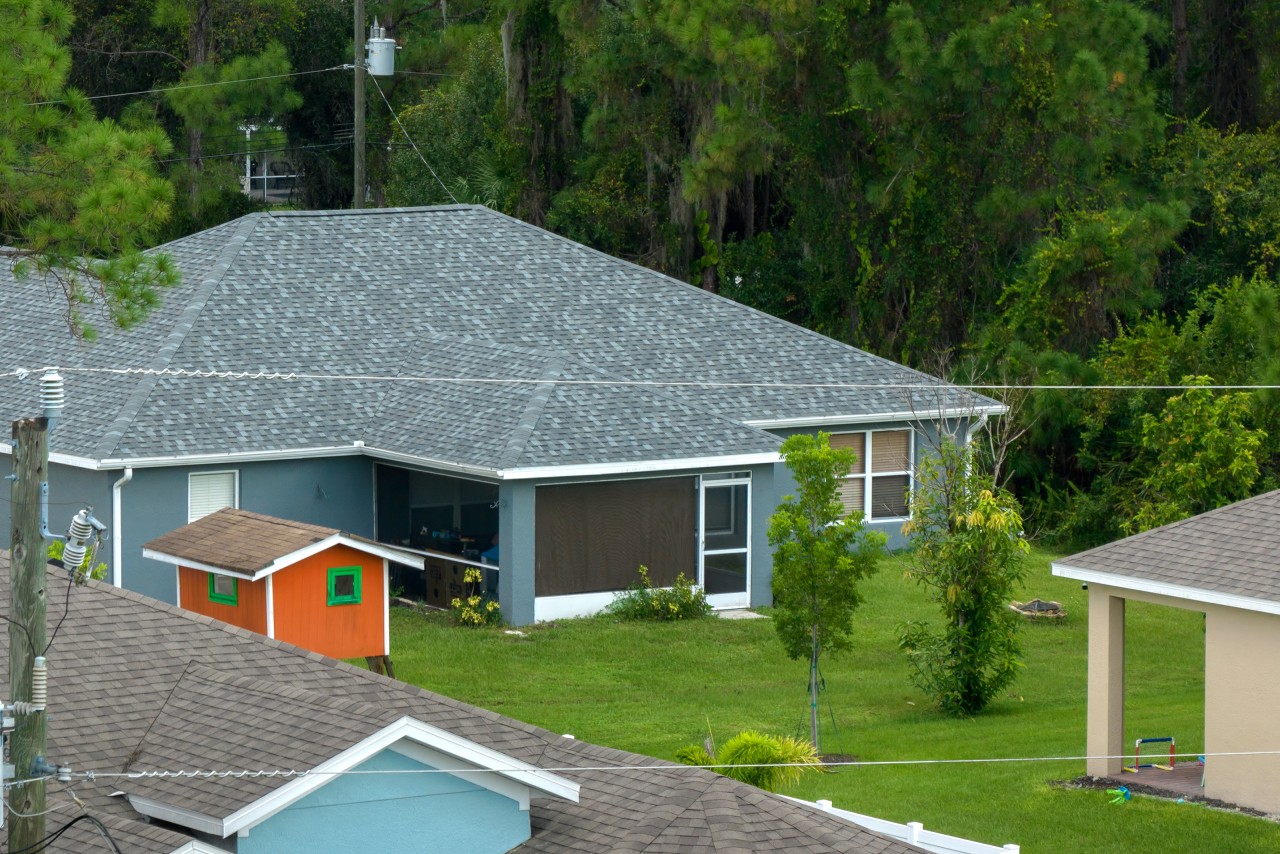
As homeowners evaluate roofing options in 2025, asphalt shingles remain one of the most widely used materials for residential roofs across the U.S. But with new materials entering the market and sustainability becoming a bigger concern, many are wondering—does asphalt shingle roofing still hold up in terms of performance, value, and longevity?
Let’s explore how asphalt shingles compare today, especially for homeowners in climates like Seattle’s, and whether they’re still a smart investment moving forward.
Why Asphalt Shingles Remain a Popular Choice
Despite competition from metal, tile, and composite roofing, asphalt shingles continue to dominate the residential roofing market. Much of that comes down to versatility, cost-efficiency, and installation ease. They’re especially well-suited for Seattle’s moderate climate, which sees regular rainfall but relatively mild temperature extremes compared to other regions.
If you’re comparing material types or exploring options for a new roof, check this out to see how asphalt shingles are currently used in homes throughout the Seattle area.
Seattle Roof Systems offers professional asphalt shingle installations designed to balance durability, appearance, and affordability—making them a go-to option for many local homeowners.
Benefits That Still Make Asphalt Shingles Worthwhile
While roofing technology continues to evolve, asphalt shingles remain a strong option in 2025 because of a few key advantages:
1. Affordability
Asphalt shingles are among the most budget-friendly roofing materials on the market. For homeowners who need a cost-effective solution without sacrificing protection, this remains one of the top reasons to choose asphalt in the current economy.
- Lower material cost than metal, tile, or slate
- Reduced labor time and expense due to easier installation
- Widely available and often bundled with warranties
2. Design Variety
Shingles are now available in a wider range of colors, patterns, and textures than ever before. Whether you want a traditional look or something that mimics wood shakes or architectural tile, today’s shingle lines offer excellent curb appeal options.
3. Reliable Durability
With proper installation and maintenance, modern asphalt shingles can last 20–30 years. Premium shingles, like those used by Seattle Roof Systems, often come with enhanced impact resistance, UV protection, and flexible composite layers that withstand harsh weather.
- Designed to handle wind, rain, and hail
- Resistant to algae and mildew
- Can include Class A fire ratings
4. Ease of Installation and Repairs
Asphalt shingles are easy to install and replace, making repair jobs faster and more affordable than with more complex roofing systems. This is helpful for homeowners who may need partial replacements over time or want a roofing solution that doesn’t disrupt daily life for weeks.
How Asphalt Shingles Compare to Other Roofing Options
To help make a more informed choice, here’s a breakdown of how asphalt shingles stack up against some of their main competitors in 2025:
| Feature | Asphalt Shingles | Metal Roofing | Clay/Tile Roofing |
| Lifespan | 20–30 years | 40–70 years | 50–100 years |
| Cost (initial) | Low | Moderate–High | High |
| Maintenance | Moderate | Low | Low |
| Style Options | High | Moderate | High |
| Installation Speed | Fast | Moderate | Slow |
| Weight | Light | Medium | Heavy |
| Best for | Budget-conscious homeowners | Longevity, energy savings | Premium builds, aesthetics |
The key takeaway? Asphalt shingles still deliver strong value for homeowners who prioritize cost, appearance, and ease of maintenance. For longer-term investments, metal may win out—but at a higher price point.
What’s New in Asphalt Shingles for 2025?
Shingle manufacturing has evolved in recent years to address past concerns around durability, environmental impact, and warranty limitations. Today’s high-performance shingles often include:
- Polymer-modified asphalt blends for greater flexibility and impact resistance
- Cool roof technology that reflects more solar heat, helping improve energy efficiency
- Improved granule adhesion to prevent premature wear or color fading
- Enhanced warranties of 30+ years with proper installation and ventilation
Brands like Malarkey—used by Seattle Roof Systems—are leading the way in these innovations, offering shingles that are both more durable and environmentally conscious.
Environmental Considerations
One common critique of asphalt shingles is their environmental impact, but recent advancements are making them more eco-friendly than they used to be.
- Recyclability: Some shingles can now be recycled into asphalt paving materials after removal.
- Lower transportation footprint: Asphalt shingles are lighter and easier to ship than tile or slate, reducing fuel use.
- Cool roof options: Light-colored shingles with reflective granules help reduce heat absorption, lowering indoor cooling needs.
If sustainability is a concern, be sure to ask about shingle lines that meet ENERGY STAR® or CRRC (Cool Roof Rating Council) standards.
When Asphalt Might Not Be the Best Fit
Asphalt shingles remain a strong option in 2025—but they’re not always the right one. Here are a few scenarios where an alternative roofing material might be worth considering:
- You plan to stay in your home for 40+ years: Investing in a metal or tile roof may save more over time.
- You live in a wildfire-prone zone: While asphalt can be fire-resistant, metal offers even higher non-combustibility.
- You’re building a custom or luxury home: Tile, slate, or standing seam metal may better match upscale aesthetics.
Still, for most Seattle homeowners, asphalt shingles hit the right balance between value and reliability.
Final Thoughts
So, is asphalt shingle roofing still worth it in 2025? Absolutely—especially if you’re looking for a dependable, affordable, and visually appealing roofing solution. Advancements in materials and manufacturing have made shingles more durable and energy-efficient than ever before, and their widespread use continues for good reason.