First Impressions Set the Tone
In the world of boutique hospitality, experience is everything. Guests are no longer satisfied with simply having a place to sleep—they seek environments that inspire, comfort, and leave a lasting impression.
From the moment a guest steps into a boutique hotel, the design begins to communicate a story. The lobby is more than just a check-in area—it’s the introduction to the entire experience.
To see how thoughtful design elevates hospitality environments, explore hotel interior design, where design is crafted to create immersive guest experiences.
Storytelling Through Design
One of the defining features of boutique hospitality is storytelling. Each space is designed to convey a narrative—whether it’s inspired by local culture, history, or a specific artistic vision.
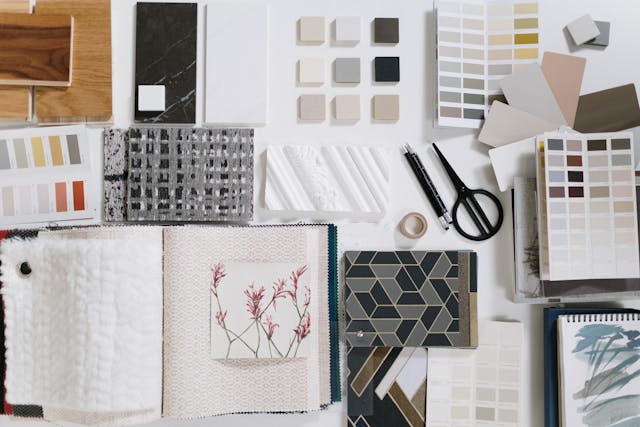
Interior designers translate these concepts into tangible elements. Materials, color palettes, furniture, and décor all work together to tell a cohesive story.
Designing for Comfort and Function
While aesthetics are important, comfort remains a top priority in hospitality design. Guests expect spaces that are not only beautiful but also highly functional.
Thoughtful layouts ensure ease of movement, while carefully selected furnishings provide both style and comfort. In guest rooms, details like mattress quality, lighting control, and intuitive storage solutions significantly impact the overall experience.
Creating Emotional Connections
Great boutique hotel design goes beyond visual appeal—it creates emotional connections. The goal is to make guests feel something, whether it’s relaxation, inspiration, or a sense of escape.
This is achieved through sensory design. Soft textures invite touch, ambient lighting sets the mood, and curated artwork sparks interest.
The Role of Local Influence
Incorporating local culture and context is a hallmark of successful boutique hospitality design. Guests often choose boutique hotels because they want an experience that reflects the destination.
Designers integrate local materials, craftsmanship, and artistic influences to create a sense of authenticity.
Maximizing Space and Identity
Boutique hotels are often smaller than their chain counterparts, which makes efficient use of space essential. Interior designers excel at maximizing every square foot without compromising on style or comfort.
Multi-functional furniture, clever storage solutions, and strategic layouts allow spaces to feel open and accommodating.
A Competitive Advantage
In a highly competitive market, design can be a boutique hotel’s greatest asset. A well-designed space not only attracts guests but also encourages social sharing, online reviews, and word-of-mouth referrals.
Designing Experiences That Last
Ultimately, boutique hospitality design is about creating experiences that linger long after the stay is over. It’s about crafting spaces that guests remember, talk about, and return to.
Through thoughtful design, hotels can transform ordinary visits into meaningful journeys.