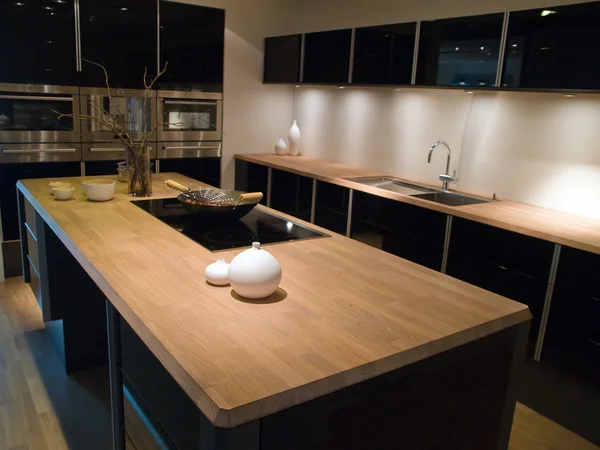
While home improvements are typically done for the enjoyment of homeowners, it is important to consider the impact these projects will have on resale value. This is especially true when it comes to kitchen renovations. see services.
Countertops are a top priority for buyers, so upgrading these is an easy way to boost value. Removing load-bearing walls to create an open concept is another popular option.
New Appliances
Upgrading outdated appliances to stainless steel is a relatively affordable kitchen remodel that increases resale value. New buyers will appreciate the attractive look of stainless steel, which has a contemporary appeal.
Homebuyers are also drawn to energy-efficient appliances, which help the environment and save money. Consider upgrading to energy-efficient dishwashers, microwave ovens and stoves.
Hardwood flooring is another popular upgrade that adds value to your home. While synthetic alternatives like vinyl and engineered hardwood may be cheaper, they lack the beauty of natural wood. Real hardwood floors are timeless and will add luxury to any kitchen.
Stainless Steel
Stainless steel appliances are a major selling point for buyers and will help to boost your home’s value. Stainless steel kitchens are stylish, modern, and durable. They are also a great choice for any type of kitchen.
If your current appliances are yellowed or rusted, investing in new stainless steel ones will appeal to most buyers. However, don’t go overboard and spend a lot of money on expensive high-end appliances. That may not pay off in the long run. Stick to mid-range appliances from well-known brands.
New Cabinets
The kitchen is the most important focal point of any home, and updating cabinets can drastically improve resale value. However, homeowners are often tempted to invest in expensive materials like quartz countertops and custom cabinetry that could cost more than they return in value.
When designing with resale in mind, homeowners should opt for neutral materials and classic patterns that can appeal to a wide variety of buyers.
Additionally, investing in hardwood flooring is also a popular and worthwhile upgrade. The natural aesthetic of real wood adds a sense of luxury that synthetic alternatives can’t match.
New Flooring
Adding new flooring is one of the best investments homeowners can make for their kitchen. Hardwood floors offer the highest ROI at around 75%, and they look amazing.
When it comes to renovating for resale, keep in mind that you’ll need to choose a style that appeals to the general homebuyer. Over-customization will actually hinder your resale value, so you want to avoid making drastic changes that could be costly when it comes time to sell.
Talk to your realtor about the market in your neighborhood and tour open homes for ideas of what buyers are looking for. Your realtor can also advise you on the most cost-effective upgrades that will add value to your kitchen.
New Paint
A fresh coat of neutral color paint in your kitchen can be a low-cost way to add value to your home. It can help create a clean, well-maintained look and will appeal to many potential buyers.
Adding a backspash is another low-cost way to make your kitchen more attractive. It can tie your whole kitchen design together and create a modern look.
Money-saving upgrades like water-efficient fixtures, energy saving appliances and LED lighting will also be appealing to potential buyers. They will save you on utility bills and reduce your carbon footprint. It’s a win-win upgrade for you and your family.
New Lighting
The kitchen is the heart of a home, and upgrading it can boost your home’s value. But it’s important to choose wisely, as not all renovations will provide the same return on investment.
For example, countertops are a popular upgrade that often pays off. While real marble is more expensive, quartz and granite offer a stylish, affordable alternative.
Be sure to choose timeless design elements and colors. Avoid using bold color choices and trendy elements, which may not appeal to future buyers.